
About
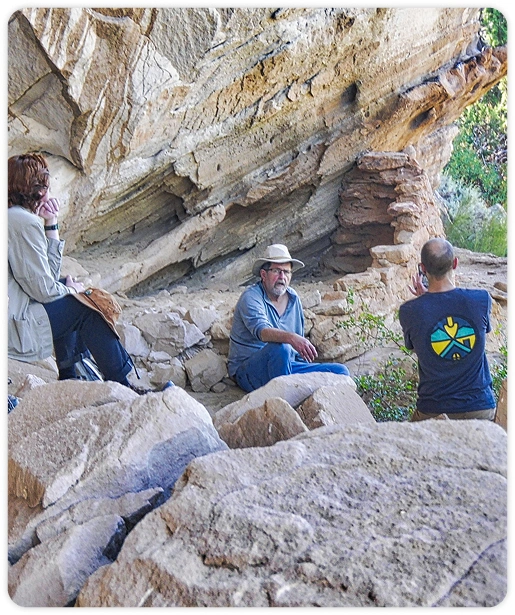
Who We Are
Archaeological sites on public lands throughout the West represent 10,000 years of human adaptation to unique Western environments. Each site and every artifact unfolds answers to the mysteries of how prehistoric humans lived in concert with their ever-changing environment, and how human survival in this harsh region depended upon people’s ability to understand, respect and recognize the limitations of that environment. In short, archaeological sites are non-renewable resources that offer insights into our own survival on this remarkable landscape. Yet these same irreplaceable resources are being lost at an alarming rate under the combined weight of development, illegal off-road vehicle use, increased recreational use of public lands, and the persistent problem of vandalism and looting.
The Colorado Plateau Archaeological Alliance (CPAA) seeks to protect and preserve human landscapes of national significance. We work collaboratively with governmental entities, industry, private land owners, and conservationists. Our approach to cultural resources protection is solution based. We do not obstruct development but rather we encourage more responsible development. We work with federal officials to manage cultural resources for their long term protection. And we work to foster recognition that rich human landscapes are also part of our national heritage.
Our Mission
Help Us Protect The Past For The Future.
The purpose of the Colorado Plateau Archaeological Alliance shall be to foster the conservation, preservation and protection of archaeological, historic and natural resources of the greater Colorado Plateau and Great Basin through scientific research, public outreach, and advocacy on behalf of those resources.
Objectives
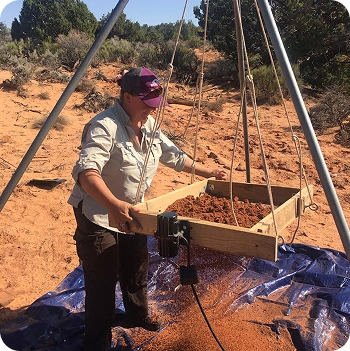
Preserve Archaeology
We protect sites of local, regional, and national significance. Preservation strategies are informed by archaeological data and field research. Our goal is long term site integrity.
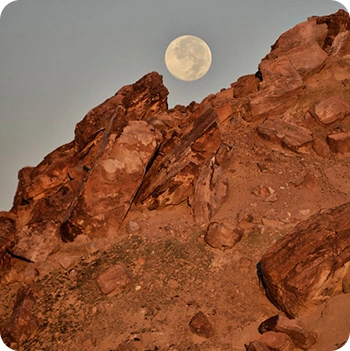
Guide Responsible Land Use
We work alongside public and private partners to reduce impacts on archaeological heritage. Research informed recommendations help balance development and preservation. Cultural resources remain central to land use decisions.
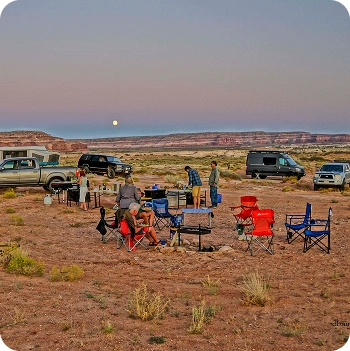
Assess Site Impacts
We study how access, development, and land use affect archaeological sites. This research helps identify growing threats. It also guides where protection is most needed.
Structure
CPAA is directed by Jerry D. Spangler, a registered professional archaeologist who manages the day-to-day activities of the organization and is answerable to a board of directors, all with considerable non-profit, business, or scientific credentials. In addition, CPAA is advised by archaeologists, historians, environmental scientists, businessmen, indigenous representatives, and attorneys who have pledged their assistance to CPAA, each with a specialized expertise that can further the CPAA mission.
Board Members

Jerry D. Spangler, MA, RPA
Executive Director

James M. Aton
President

Steve Lutz
Vice-President

Emily Dean
Treasurer
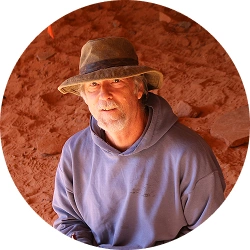
Matthew Zweifel
Board Member

Dan Bauer
Board Member

Heidi Roberts
Board Member

Steve Barth
Board Member

Mike Reilly
Board Member

Richa Wilson
Board Member

Tim Hawkes
Board Member

Joe Gregory
Board Member